

What is SERP (Search Engine Results Page)?
Definition
A SERP (search engine results page) is the page a search engine shows in response to a query. Alongside classic organic results it can include sponsored ads, featured snippets, rich results, image and video blocks, local map results, related-question boxes and AI-generated summaries such as Google's AI Overviews. Its layout varies by query, location and device.
Also known as: search engine results page, search results page
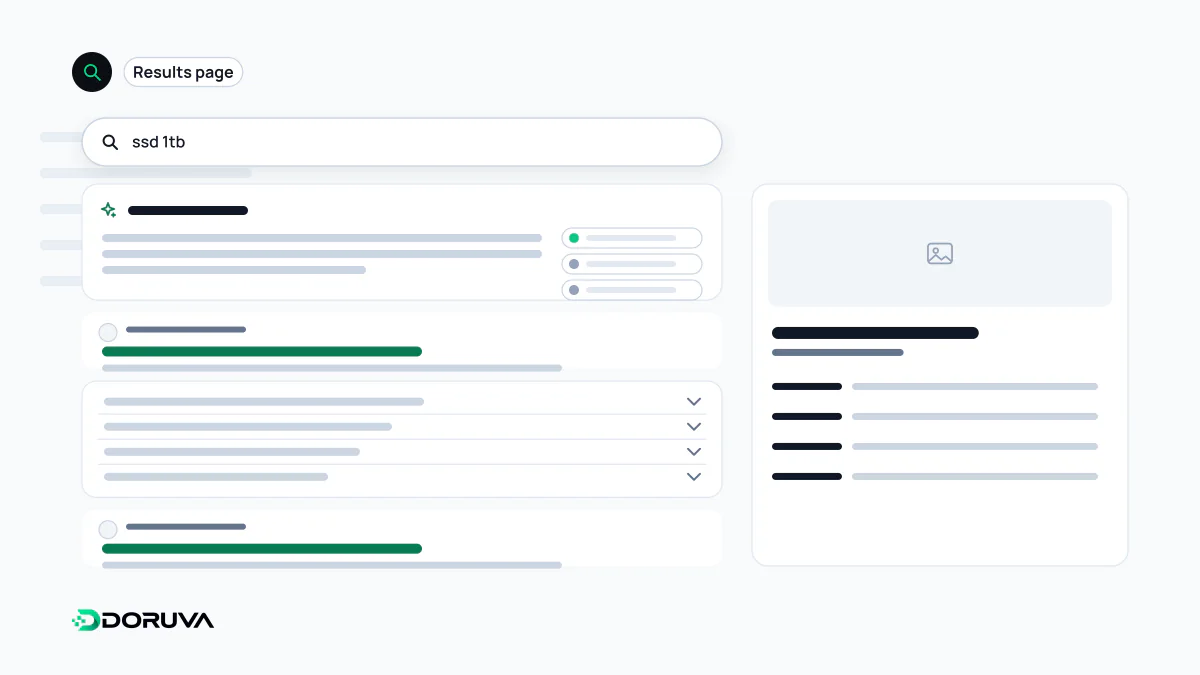
What appears on a results page
A modern results page is far more varied than ten stacked links, and the search engine decides which elements to show for each query.
- Organic results: a title link, the site name and URL, and a descriptive snippet. The title usually comes from the page's title tag; the snippet comes from page content or the meta description.
- Ads: paid results labelled "Sponsored", independent of organic ranking.
- Featured snippets: a short excerpt from one page, shown prominently with its source above the other results.
- Rich results: results enhanced with ratings, prices, event dates and similar details. Most are enabled by structured data on the page, though markup does not guarantee display.
- Local results: a map and business listings for location-based queries.
- Image, video and news blocks, plus expandable boxes of related questions people ask.
- AI summaries: on Google, AI Overviews show a generated summary with supporting source links above the results for some queries.
What is known about AI Overviews
According to Google's guidance for site owners, there are no additional technical requirements or special optimizations for appearing as a supporting link in AI Overviews or AI Mode: the page must be indexed and eligible to be shown with a snippet in regular results. Meeting those conditions still does not guarantee inclusion. These experiences are covered in more depth under AI search, and Google's own explanation is in AI features and your website.
Controlling your snippet
You can limit how much of a page is shown in results with the robots meta tag and the data-nosnippet attribute. These controls also apply to features such as AI Overviews:
<!-- Limit the snippet to 160 characters -->
<meta name="robots" content="max-snippet:160">

<!-- Keep this block out of snippets -->
<p data-nosnippet>Offer terms are shown to members only.</p>
Turning snippets off entirely with nosnippet also keeps the page out of formats such as featured snippets, so use it deliberately.
There is no single "position"
Results vary with location, language, device and the exact wording of the query. Two people searching the same phrase in different cities, one on a phone and one on a laptop, can see different pages. That is why metrics such as average position in Search Console are averages across many impressions, not one fixed rank.
Why analyse the SERP
Studying the results page for a target query shows what kind of content is expected, which features compete for clicks and which format your page could realistically win. It is also the fastest way to understand search intent. Google keeps an up-to-date list of supported result features in its visual elements gallery.